

-

The development and application of titanium alloys in the aerospace industry
Since titanium was industrialized in the 1940s, it has been widely used in aerospace, military industries, marine development, petrochemicals, power generation, superconductivity
넶2 2026-01-20 -
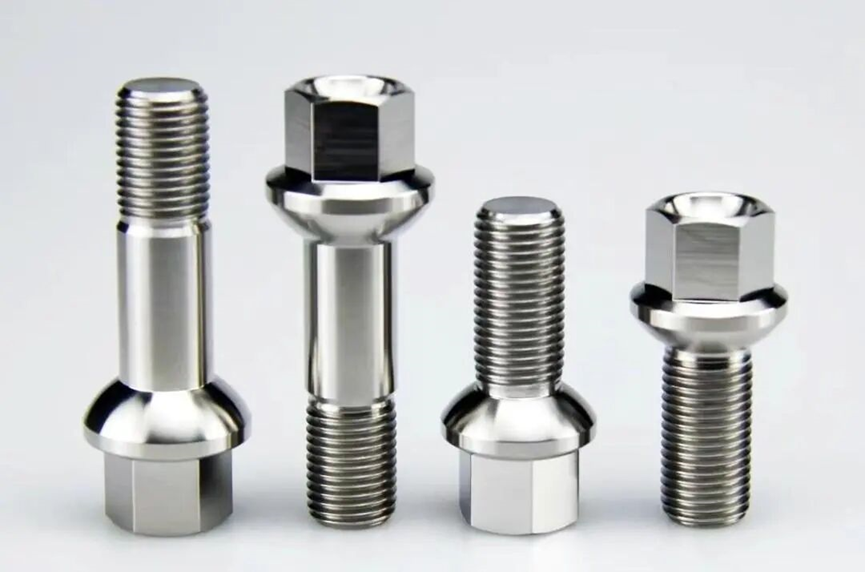
The journey is full of vigor and momentum, and with great responsibility, we set sail once again - China's titanium industry has traversed a remarkable 70-year history.
In recent years, the application fields of titanium alloy screws have gradually expanded. Although their price is always higher compared to other materials, titanium alloy screws have unique advantages in terms of performance and application scope, making them indispensable in high-end applications.
넶2 2026-01-20 -
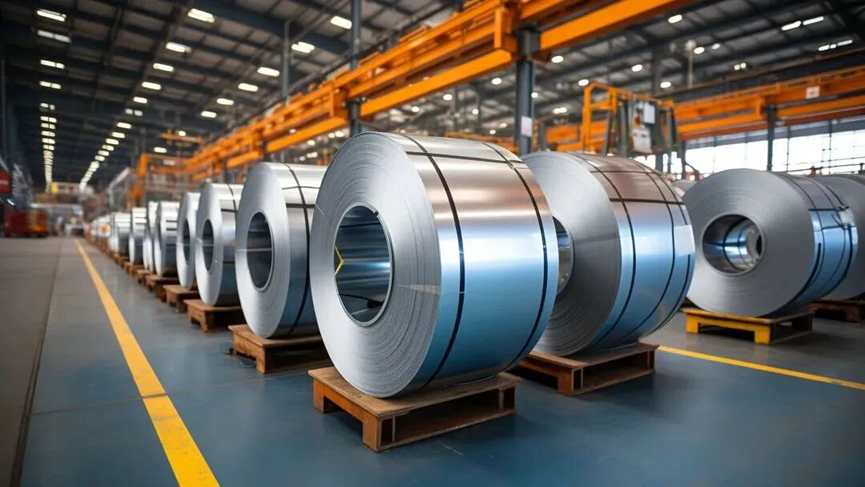
Analysis of Global Titanium Market Trends and Growth Drivers
The global titanium market size is expected to reach 25 billion US dollars by 2025, with a compound annual growth rate of approximately 12%. The Chinese market is particularly outstanding, with the domestic scale expected to exceed 80 billion RMB in 2025, accounting for more than 40% of the global output.
넶3 2026-01-20 -
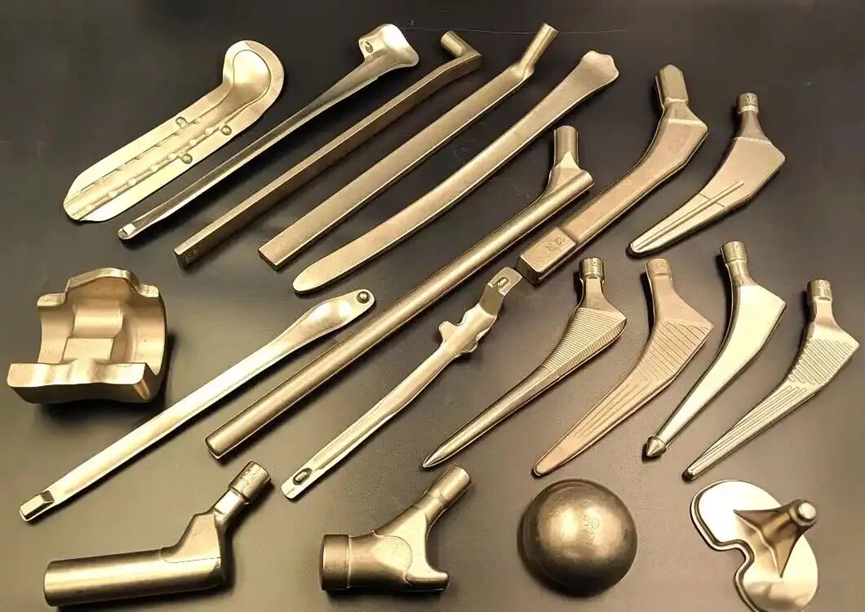
Biomedical Alloys: How Do Titanium Alloys "Harmoniously Coexist" with Human Tissues?
In the field of modern medicine, when the bones, joints and other parts of the human body suffer severe damage or are invaded by diseases, and cannot be repaired by themselves, implanting medical materials becomes an important treatment method.
넶0 2026-01-20
The development and application of titanium alloys in the aerospace industry
Since titanium was industrialized in the 1940s, it has been widely used in aerospace, military industries, marine development, petrochemicals, power generation, superconductivity, and other fields due to its characteristics such as high specific strength, good corrosion resistance, non-magnetism, and good welding performance, as well as its advantages in superconductivity, hydrogen storage, and memory. It has been honored with titles like "all-purpose metal", "marine metal", "third metal", and "modern metal". With the continuous exploration of titanium's excellent properties, its application scope is constantly expanding and it will become the third structural metal after steel and aluminum.
This article mainly reviews the progress of titanium research and application in aerospace and aviation in countries such as the United States, Russia, the United Kingdom, Japan, and China, which can serve as a certain reference for the application and development of titanium industry in aerospace and aviation in China.
01 Titanium Alloy Raw Materials
Given that titanium plays an important role in defense, aerospace, and high-tech fields, it has been highly valued by military powers such as the United States, Russia, the United Kingdom, France, and Japan, as well as countries like Japan, and is listed as a strategic structural metal of the 21st century. The development of titanium science and technology, including new alloys, new smelting technologies, and application technologies, is undergoing rapid changes. China's titanium industry has experienced nearly 40 years of ups and downs, and with the support of the state, has made significant progress and established its own independent titanium industrial system. Based on the production of 1,751 tons of sponge titanium and 2,206 tons of titanium processing materials in China in 2000, China produced 49,632 tons of sponge titanium in 2008, increasing by 27.3 times in 8 years; China produced 27,737 tons of titanium processing materials in 2008, increasing by 11.6 times.
Due to the high cost of titanium alloy raw materials, 70% to 80% of titanium materials are used in the aerospace and aviation industries abroad. The demand for titanium alloys in the aerospace and aviation fields in China is also particularly high. Currently, the proportion of advanced aircraft titanium alloy usage in China is around 10% to 12%, and the proportion of titanium usage in military aircraft is even higher, at 20% to 30%, while the proportion of titanium usage in military aircraft engines is above 30%. The usage of titanium in new rockets and missiles is also increasing.
02 Development and Application of Structural Titanium Alloys
As the aircraft design concept gradually shifted from the past simple static strength to safety-life, damage-safety, and even the modern damage tolerance design concept, advanced titanium alloy materials have gradually evolved towards damage tolerance titanium alloys with high fracture toughness and low crack propagation rates.
Currently, developed countries abroad have taken the lead in the research and development of new damage tolerance titanium alloy materials and their application in advanced aircraft, especially materials such as medium-strength Ti-6Al-4V ELI and high-strength Ti-6-2222S, which have been successfully applied in the new-generation aircraft like the US F-22, F-35, and C-17, significantly enhancing the aircraft's service life and combat effectiveness.
With the development of aircraft design concepts, the damage tolerance design concept for titanium alloy structures in China has also begun to receive attention. Since the "15th Five-Year Plan", China has independently developed TC4-DT medium-strength high-toughness damage tolerance titanium alloy and TC21 high-strength high-toughness damage tolerance titanium alloy, and established the β processing technology for damage tolerance titanium alloys, laying the material application technology foundation for the development of new types of aircraft in China. To meet the development needs of titanium alloys for aircraft and aerospace structures, China has independently developed low-strength high-toughness wire titanium alloy (NbTi) and tube alloy (TAl8), as well as ultra-high-strength titanium alloys in the 1300 MPa-2000 MPa series (TB8, TB19, TB20), initially forming a Chinese-style new titanium alloy material system for aircraft structures, and laying the framework structure for the application of new-generation aerospace and aircraft titanium alloys.
High-strength structural titanium alloys generally refer to alloys with tensile strength above 1000 MPa. Currently, the high-strength titanium alloys that represent the international advanced level and have been applied in aircraft are mainly the metastable β-type alloys Ti-15-3, β321s, near-β-type alloys Ti-1023 and α-β type two-phase titanium alloys BT22. Replacing the commonly used 30CrMnSiA high-strength structural steel in aircraft structures with high-strength structural titanium alloys can reduce weight by more than 20%.
Ti-6Al-2Sn-2Zr-2Cr-2Mo (TC21) is a high-strength, high-toughness, damage tolerance type two-phase titanium alloy developed in the 1970s. This alloy has the advantages of high strength, good damage tolerance performance, excellent anti-fatigue crack propagation ability after thermal mechanical treatment, and is suitable for manufacturing high-strength and high-toughness load-bearing components. By adding Si elements, this alloy maintains high strength at medium temperatures, which is superior to Ti-6AI-4V. This alloy sheet can undergo superplastic forming at room temperature.
Ti-10V-2Fe-3Al (TB6) is a high-strength, high-toughness near-β type titanium alloy developed in the late 1970s. This alloy has the advantages of high specific strength, good fracture toughness, large quenching area, small anisotropy, good forging performance, and strong corrosion resistance. It has many advantages of metastable β titanium alloys without losing the solute characteristics of titanium alloys, meeting the requirements of damage tolerance design, high structural efficiency, high reliability and low cost. The maximum working temperature is 320℃. The main products of this alloy include rods, forgings, thick plates and profiles. Through solid solution and aging heat treatment, a good match of strength, plasticity and fracture toughness can be achieved, suitable for manufacturing structural components with high requirements for strength and fracture toughness. Through thermal mechanical treatment, excellent toughness and low crack propagation rate can be obtained, suitable for structures with high fracture toughness requirements.
03 Development and Application of High-Temperature Titanium Alloys
High-temperature titanium alloys have been widely applied in aircraft engines due to their excellent thermal strength and high specific strength. These alloys are mainly used in the fans and compressors of aircraft engines, such as compressor discs, blades, navigators, and connecting rings. Replacing the original nickel-based high-temperature alloys with titanium alloys can reduce the weight of the compressor by 30% to 35%. The proportion of titanium used in advanced aircraft engines abroad has reached 25% to 39%, such as 25% for the titanium alloy used in the F100 engine, 31% for the V2500 engine, and 39% for the F119 engine.
The development of high-performance aircraft engines drives the development of high-temperature titanium alloys. The operating temperature has gradually increased, from 400°C represented by the Ti-6Al-4V alloy in the 1950s to 600°C represented by the IM1834 alloy. Above 600°C, the creep resistance and high-temperature oxidation resistance sharply decline, which are the two main obstacles restricting the development of titanium alloys to higher temperatures. Therefore, 600°C is considered the "thermal barrier" temperature for the development of titanium alloys.
Over the years, in order to meet the requirements of high-performance aircraft engines, aerospace and aviation industrial countries such as Europe and Russia have attached great importance to the research and development of high-temperature titanium alloys, and have successively developed high-temperature titanium alloys that can be used at 350 to 600°C. The former Soviet Union developed brands such as BT6, BT3-l, BT8, and BT9 titanium alloys in the late 1950s, and in the 1960s, it also developed BT18, BT25 alloys. Subsequently, to improve the performance and service life of high-temperature titanium alloys, BT18y, BT25y, BT8M, BT8-1, and BT8M-1 brands of high-temperature titanium alloys were developed based on the original alloys.
In recent years, the BT36 titanium alloy has been developed and is used in engines such as HK8 and IIC90A. Similarly, the United States has used Ti64, Ti811, Ti6242 titanium alloys in advanced engines such as JT90 and F-110.
The development of high-temperature titanium alloys in Russia is very complete and mature, forming a complete titanium alloy system. There are two or three selectable high-temperature titanium alloy brands at a certain temperature level, such as BT8, BT9, and BT8-1 at 500°C, BT25 and BT25y at 550°C, and BT18y and BT36 at 600°C. Russia recommends BT25y for the 450-550°C use of the wheel discs and rotor blades in the high-pressure compressor of aircraft engines, and BT18y for the 550-600°C use of the wheel discs. Although BT36 has been developed, it seems not to have received corresponding attention. China has imported BT36 alloy discs and bars from Russia, and after analysis, there are a large number of component segregation on the alloy discs and bars, and the problem of component uniformity has not been well solved, and its high-temperature performance has not reached the level of IM1834 alloy.
The development of high-temperature titanium alloys in the United Kingdom is the most mature, with its own independent system, and a series of titanium alloy brands for use at different temperatures has been formed. Up to now, IM1685 alloy is the most widely used and the most numerous high-temperature titanium alloy in aircraft engines, such as for the RB211 series engines, RBl99 engine, Adour engine, and M53 engine produced by Rolls-Royce. IM1829 alloy is used in the high-pressure compressor of the RB211-535C engine. The third-stage discs, drum tubes, and rear shafts are welded together by electron beam welding to replace the nickel-based alloy materials on the RB211-535C, reducing the rotor weight by 30%. The successful development of IMl834 alloy has provided solid technical support for some high-performance engines. Although the development period was not long, it has been tested and applied in various engines, such as the civil large engine Trent700 (Trent) selected by the Boeing 777 aircraft. All the discs, drums and rear shafts of the high-pressure compressor of Trent700 are made of IMl834 alloy and welded together using electron beam welding technology. This makes Trent700 the first engine in the new type of civil engine to adopt a fully titanium high-pressure compressor rotor, significantly reducing the weight of the engine. The high-pressure compressor rotor of the EJ200 engine also uses IMl834 alloy. IMl834 is also being used in the PW350 engine of Pratt & Whitney Company.
The development of high-temperature titanium alloys in the United States is also relatively mature. Currently, the most widely used alloys in engines are mainly Ti-6Al-4V and Ti-6242S.
The Ti-1100 alloy is made by adjusting the contents of Al, Sn, Mo and Si elements based on the composition of Ti-6242S alloy, and its maximum operating temperature is increased to 600℃. It is known that the Ti-1100 alloy has been used to manufacture the high-pressure compressor discs and low-pressure turbine blades of the T55-712 modified engine of Lycoming Company.
The development of titanium alloys in our country has mainly followed the route of imitation. For instance, the TC11 alloy corresponds to the BT9 alloy, while the TA11, TA19, and TC17 alloys in China correspond to the American designations Ti-811, Ti-6242S, and Ti-17 respectively. Over the past 20 years, China has begun to follow a path of both imitation and independent research and development. For example, the high-temperature titanium alloy TA12 (Ti-55) contains the rare earth element Nd; the Ti-60 alloy is based on the TAl2 alloy and appropriately increases the contents of Al, Sn, and Si, further enhancing the high-temperature creep resistance and strength of the alloy, enabling the alloy to be used at a temperature of 600°C. Based on the British IMl829 alloy, China added the rare earth element Gd and developed the 550°C high-temperature titanium alloy Ti-633G. Recently, on the basis of the Ti-1100 alloy, approximately 0.1Y was added and it was named Ti-600.
04 Development and Application of Low-Temperature Titanium Alloys
Structural components used at low temperatures require maintaining a certain strength while also having good plasticity, low thermal conductivity, and excellent processing properties. The main structural materials for low-temperature applications worldwide are stainless steel, aluminum alloy, titanium alloy, and nickel-based alloy. Titanium alloys have excellent comprehensive properties at low temperatures and have been widely valued by countries around the world for many years. The yield strength of titanium alloys at low temperatures increases significantly, approximately 3 to 6 times that of austenitic stainless steel; however, the fracture toughness decreases with temperature, approximately 0.25 to 0.5 times that of austenitic stainless steel. Due to the much lower density of titanium alloys compared to stainless steel, and their low thermal conductivity, low expansion coefficient, and non-magnetic properties at low temperatures, they are used as an important low-temperature engineering material in aerospace, superconductivity, and other fields.
β-type titanium alloys with a bee structure, like other body-centered cubic metals, have a relatively high plastic-brittle transition temperature (TPR). As the temperature decreases, the plasticity decreases, and they generally cannot be used at low temperatures. The TPR of α and near-α titanium alloys is generally very low, and they also have good plasticity at low temperatures. Therefore, most of the internationally recognized low-temperature titanium alloys currently belong to α and near-α titanium alloys. In α-β titanium alloys, titanium alloys with a small amount of β phase, such as Ti-6Al-4V ELI, can also be used well at liquid hydrogen temperature (22K). Pure titanium and Ti-5Al-2.5Sn ELI, etc., α titanium alloys, are ideal low-temperature structural materials at liquid helium temperature (4.2K), but the alloy composition must be controlled, especially the content of iron and oxygen. The increase in iron and oxygen content increases the low-temperature brittleness of the titanium material. The increase in β phase stabilizing elements such as iron, manganese, etc., is likely to cause the material to undergo notch cracking.
The former Soviet Union was at the forefront of the development and application of low-temperature titanium alloys in the world. The early α titanium alloys OT4, OT4-l, BT5-1KT, TT-3BKT, etc., developed by them have been widely applied in aerospace rocket equipment. These alloys have a strength of 1400 MPa at 2K, while the elongation still remains above 10%. The low-temperature titanium alloys developed and applied by the United States mainly include Ti-5Al-2.5Sn, Ti-8Al-1Mo-1V, Ti-6Al-3Nb-2Zr, etc., low-temperature α titanium alloys.
China started the research and application of low-temperature titanium alloys later than the United States and Russia. After conducting tests and application research on the existing titanium alloys such as TA7, TC1, and TC4, during the "Nine Five" period, a titanium alloy suitable for low-temperature piping systems was developed. The alloy system was Ti-Al-Zr, Ti-Al-Zr-Mo, Ti-AIL-Sn-Mo, Ti-Al-Zr-Sn-Mo, etc.
05 Year-end Summary
The application of titanium alloy fasteners abroad has become very widespread, and various new types of fasteners are constantly emerging. The amount of titanium alloy fasteners used in each single large civil aircraft reaches hundreds of thousands. Under the same strength indicators, titanium fasteners are 70% lighter than steel in terms of quality. Moreover, the fatigue strength and stress concentration sensitivity of titanium alloys are superior to those of steel for similar purposes. They also have high corrosion resistance stability under various climatic conditions. Therefore, the application of titanium fasteners is very important for aviation equipment.
(1) The development of titanium alloy fasteners
Titanium alloy fasteners mainly use three types of materials: the first type is the low-Mo equivalent α-β type two-phase alloy, such as Ti-6Al-4V; the second type is the metastable β alloy, including the US βIII, Ti-44.5Nb, Ti-15-3, and China's TB2, TB3 and TB8; the third type is the subcritical composition α-β type two-phase alloy, such as Russia's BT16l.
Ti-6Al-4V is a low-Mo equivalent α-β type two-phase alloy. Among the three types of alloys, the β stability coefficient is the lowest (only 0.27), while the aluminum equivalent is the highest (reaching 6). Therefore, the β phase content in the annealed state is only 7% (volume fraction). Its advantages are the lowest density, the best strength and fatigue performance, the simplest composition, and the lowest semi-finished product cost. However, due to the insufficient high plasticity at room temperature, when processing fasteners, it is necessary to use induction heating for hot extrusion forming and vacuum solution treatment plus aging treatment. The processing cost is relatively high.
The second type is the β alloy (such as TB2, TB3, TB5, TB8, etc.), which is completely different from the α-β type alloy. The β stability coefficient is very high, ranging from 1.15 to 1.97, while the aluminum equivalent is reduced to around 3. Therefore, a single β phase can be obtained during the solution treatment, enabling cold extrusion forming of bolts and rivets at room temperature. The processing cost is low, but the disadvantage is the high density, although the strength is comparable to Ti-6Al-4V, the fatigue performance is not as good as Ti-6Al-4V, and the composition is complex, and the semi-finished product cost is high. Due to the need for vacuum aging treatment as well, the cost of finished fasteners is still higher than Ti-6Al-4V, and the operating temperature is also lower than Ti-6Al-4V.
The density of BT16 alloy is slightly higher than Ti-6Al-4V, but significantly lower than the β alloy. The β stability coefficient of BT16 alloy is 0.83, which is between the above two types, approaching the critical composition (β stability coefficient is 1). In the binary alloy composed of β-stabilizing elements and Ti, as the content of β-stabilizing elements increases, the grain size gradually decreases, and at the critical concentration, the number of α phase and β phase is equal, and the grain size reaches the minimum. Further increase in the stabilizing element leads to an increase in the grain size. The smaller p grains and the up to 25% (volume fraction) of β phase content in the annealed state determine that BT16 alloy has excellent room temperature plasticity. Therefore, BT16 alloy has the condition to complete the rapid extrusion of the fastener head under room temperature conditions, that is, cold extrusion.
(2) The application of titanium alloy fasteners
Ti-6Al-4V is a medium-strength α-β type two-phase titanium alloy with excellent comprehensive performance. The semi-finished products are complete, including bars, forgings, thick plates, thin plates, profiles and wire rods. This alloy can work at a temperature of up to 400℃ for a long time. It has been widely used in the aerospace and aerospace industries and is the main fastener material used by the United States and Western European countries in the aerospace departments. The titanium alloy fasteners of Russia mainly use BT16 titanium alloy. BT16 alloy belongs to the Ti-Al-Mo-4V type α-β high-strength titanium alloy, and the main semi-finished products are hot-rolled bars and cold-drawn polished bars and wires, mainly used for manufacturing fasteners such as bolts, screws, nuts and rivets. The maximum working temperature is 350℃. The strength of this alloy in the solution-aging state is slightly lower than that of Ti-6Al-4V alloy. Its main advantages are that it can be cold extruded formed in the annealed state, thus significantly improving the production efficiency. Fasteners manufactured by cold deformation in Russia have been widely used in the mechanical manufacturing industry and are also the main standard fastener materials used by the Russian aerospace and aerospace departments. They have also been applied in some models of certain aircraft in the country. This alloy has two usage states: cold deformation strengthening without heat treatment, and hot forging forming combined with solution hardening treatment.
The βIII alloy was included in the AMS4977 specification as a fastener material in 1969. It had some applications on aircraft, but in AMS4977B in 1987, it was announced that the aerospace materials department recommended that the β11I alloy should no longer be used as a standard component material for future new designs. According to recent reports, this alloy has stopped production. Ti-44.5Nb was included as a special material for rivets in the AMS4982 specification in 1974 and was revised to AMS4982C in 2002. It is still in use to this day, but only by welding a small section onto the head of a Ti-6Al-4V rivet to perform cold riveting. Ti-15-3 (TB5) was first included in the AMS4914 specification as a sheet material in 1984. TB5 and TB8 were used as matching rivets and screws for resistance parachute frames and windshields (for high-temperature use) in a certain aircraft model in China. TB2 and TB3 are domestically developed β alloys. TB2 was initially used for sheet parts and later applied as rivets in certain aircraft models. TB3 was developed as a bolt material from the beginning and has also been applied in certain aircraft models.
06 Conclusion
Titanium is an important structural material for developing defense, aviation, and high-tech fields in China, with significant strategic importance. Currently, China's research and development level and production capacity of sponge titanium and titanium processing materials have ranked among the world's top. The future development direction should focus on meeting application needs and combining international development trends. It is urgently necessary to research and develop higher-performance alloys to improve the technical level of the titanium production industry and strive to move from a titanium industrial power to a titanium industrial superpower.


