

-

The development and application of titanium alloys in the aerospace industry
Since titanium was industrialized in the 1940s, it has been widely used in aerospace, military industries, marine development, petrochemicals, power generation, superconductivity
넶2 2026-01-20 -
The journey is full of vigor and momentum, and with great responsibility, we set sail once again - China's titanium industry has traversed a remarkable 70-year history.
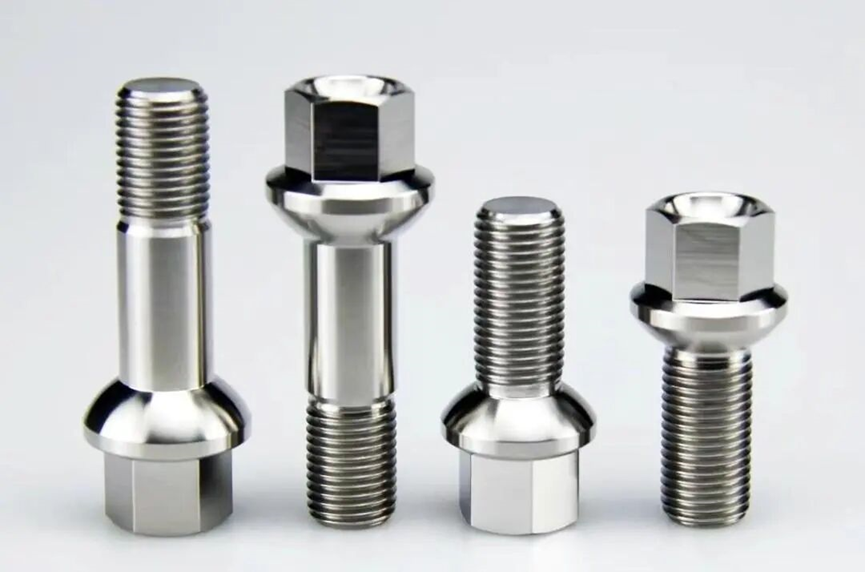
In recent years, the application fields of titanium alloy screws have gradually expanded. Although their price is always higher compared to other materials, titanium alloy screws have unique advantages in terms of performance and application scope, making them indispensable in high-end applications.
넶2 2026-01-20 -
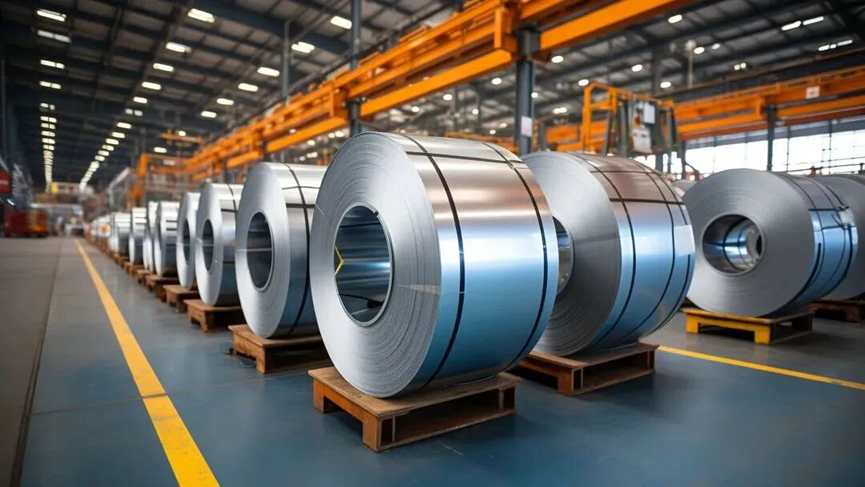
Analysis of Global Titanium Market Trends and Growth Drivers
The global titanium market size is expected to reach 25 billion US dollars by 2025, with a compound annual growth rate of approximately 12%. The Chinese market is particularly outstanding, with the domestic scale expected to exceed 80 billion RMB in 2025, accounting for more than 40% of the global output.
넶3 2026-01-20 -
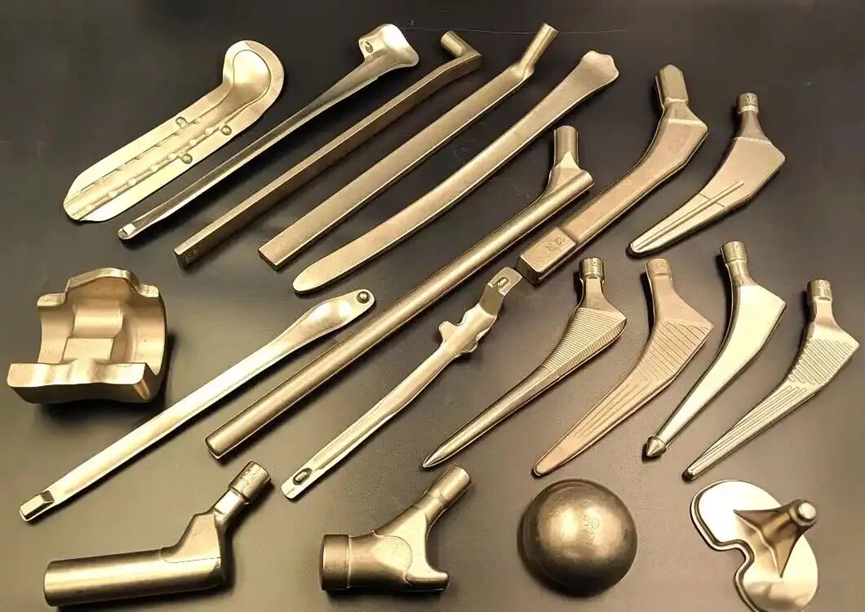
Biomedical Alloys: How Do Titanium Alloys "Harmoniously Coexist" with Human Tissues?
In the field of modern medicine, when the bones, joints and other parts of the human body suffer severe damage or are invaded by diseases, and cannot be repaired by themselves, implanting medical materials becomes an important treatment method.
넶0 2026-01-20
Analysis of Global Titanium Market Trends and Growth Drivers
Market Size and Growth Trends
The global market continues to expand
The global titanium market size is expected to reach 25 billion US dollars by 2025, with a compound annual growth rate of approximately 12%. The Chinese market is particularly outstanding, with the domestic scale expected to exceed 80 billion RMB in 2025, accounting for more than 40% of the global output. Aerospace remains the largest demand sector, accounting for approximately 65%, while the medical and new energy civilian fields have the fastest growth rate, with an annual growth rate of 15%-20%.
Market Growth Drivers in China
The Chinese titanium industry maintains stable development. In 2024, the sponge titanium output was 256,000 tons, increasing by 17.6% year-on-year, with a self-sufficiency rate of nearly 100%; the titanium material output was approximately 170,000 tons, increasing by 7% year-on-year, accounting for 65% of the global output. The production of the domestically-made large aircraft C919 and the demand for hydrogen storage and transportation equipment have strongly promoted the domesticization rate of high-end titanium alloys from 30% to 50%.
Application Areas and Market Demand
Aerospace Field
Aerospace is the core application area for titanium materials. The usage of titanium materials in new-generation fighter jets and commercial airliners has significantly increased. Boeing and Airbus predict that 40,000 new aircraft will be needed in the next 20 years, and the titanium usage per aircraft will increase from 4% to 15%. The manufacturing barriers for large forgings and engine blades are extremely high, and only a few enterprises worldwide possess a complete technical chain.
Medical and Health Field
The global market size of titanium materials for orthopedics is expected to reach 5 billion US dollars by 2025. Cross-border applications such as 3D-printed customized joints and titanium alloy invisible braces are rapidly penetrating the market. With the aging population and the explosion of the medical beauty economy, medical titanium materials are accelerating their development towards higher value-added directions.
Consumer Electronics and New Energy
In the consumer electronics field, titanium alloy midframes have become a standard feature for flagship mobile phones, and color customization can be achieved through micro-arc oxidation technology. In the new energy sector, the domestication of hydrogen storage and transportation equipment is accelerating, and titanium alloy liners effectively solve the hydrogen embrittlement problem. The application of titanium bipolar plates and electrolytic cells is driving the rapid development of hydrogen fuel cells and hydrogen electrolysis-based hydrogen production industries.
Industry Challenges
Overcapacity and price consolidation
The production capacity of sponge titanium and processed materials has significantly increased. The mismatch between supply and demand has led to a decline in prices and intensified internal competition. Small and medium-sized enterprises have poor profits due to operational fluctuations, while large enterprises with a full industrial chain and those specializing in specific fields maintain a favorable development trend by leveraging their technological advantages.
Technology dependence and cost pressure
The bottleneck of high-end materials still exists. Although China has mastered the mass production technologies of TC4 and TC11, titanium alloys that can withstand temperatures above 650°C still rely on imports. The price of sponge titanium has risen to 48,000 yuan per ton, putting pressure on enterprises' cash flow. The requirement for a capital turnover rate of more than 2 times per year has been imposed.
International competition and policy risks
Europe and the United States may regulate the export of aerospace titanium materials, requiring enterprises to establish transshipment trade. Geopolitical risks, such as the reduction in production by VSMPO due to the conflict in Ukraine, indicate the need to establish a 6-month strategic reserve. Additionally, the carbon border tax (CBAM) is forcing export-oriented enterprises to upgrade their low-carbon processes.


