

-

The development and application of titanium alloys in the aerospace industry
Since titanium was industrialized in the 1940s, it has been widely used in aerospace, military industries, marine development, petrochemicals, power generation, superconductivity
넶2 2026-01-20 -
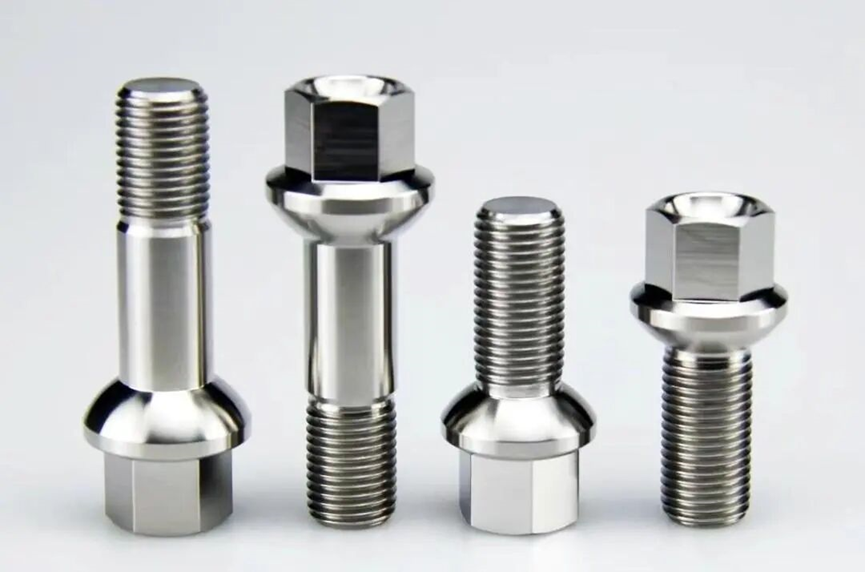
The journey is full of vigor and momentum, and with great responsibility, we set sail once again - China's titanium industry has traversed a remarkable 70-year history.
In recent years, the application fields of titanium alloy screws have gradually expanded. Although their price is always higher compared to other materials, titanium alloy screws have unique advantages in terms of performance and application scope, making them indispensable in high-end applications.
넶2 2026-01-20 -

Analysis of Global Titanium Market Trends and Growth Drivers
The global titanium market size is expected to reach 25 billion US dollars by 2025, with a compound annual growth rate of approximately 12%. The Chinese market is particularly outstanding, with the domestic scale expected to exceed 80 billion RMB in 2025, accounting for more than 40% of the global output.
넶3 2026-01-20 -
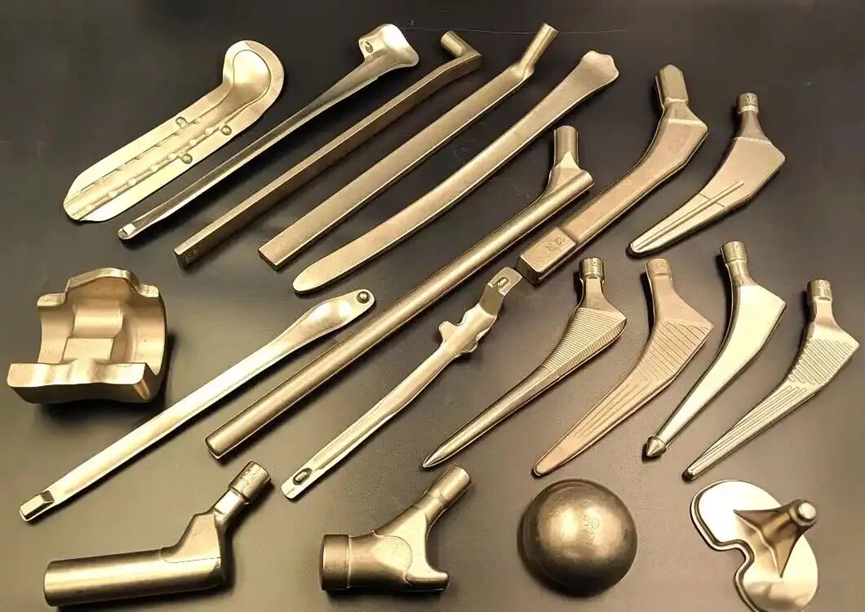
Biomedical Alloys: How Do Titanium Alloys "Harmoniously Coexist" with Human Tissues?
In the field of modern medicine, when the bones, joints and other parts of the human body suffer severe damage or are invaded by diseases, and cannot be repaired by themselves, implanting medical materials becomes an important treatment method.
넶0 2026-01-20
Biomedical Alloys: How Do Titanium Alloys "Harmoniously Coexist" with Human Tissues?
In the field of modern medicine, when the bones, joints and other parts of the human body suffer severe damage or are invaded by diseases, and cannot be repaired by themselves, implanting medical materials becomes an important treatment method. Biomedical alloys, as commonly used implant materials, among which titanium alloys stand out due to their excellent properties, are widely applied in artificial joints, dental implants, etc., achieving "harmonious coexistence" with human tissues.
So, how does titanium alloy achieve this? This involves the integration and innovation of knowledge from multiple disciplines such as materials science and biology. 1
The basis of the biocompatibility of titanium alloys
(1) Formation and protection of surface oxide film
When titanium alloys are exposed to air, their surfaces react rapidly with oxygen to form a dense oxide film, mainly composed of titanium dioxide (TiO₂). This oxide film is extremely thin, typically ranging from a few nanometers to several tens of nanometers, yet it has an extraordinary protective effect. It is like a sturdy "armor" that isolates the titanium alloy substrate from human tissues, preventing the release of metal ions from the titanium alloy into the human tissues and avoiding immune reactions and inflammation caused by the toxicity of the metal ions. At the same time, this oxide film has stable chemical properties and is not prone to reacting with various chemical substances in the human body, providing a guarantee for the long-term stable existence of titanium alloys in the human body. For example, in artificial hip joint implant surgeries, the oxide film on the surface of titanium alloy implants can effectively prevent the alloy from directly contacting the human tissue fluid, reducing the risk of infection and ensuring the safety of the implant.
(2) Low elastic modulus characteristic
Human bones have a certain elastic modulus, with the elastic modulus of normal bone cortex being approximately 10-40 GPa. Traditional medical metals such as stainless steel and cobalt-chromium alloys have a higher elastic modulus, generally ranging from 150 to 200 GPa, which is significantly different from the elastic modulus of human bones. When these materials are implanted into the human body, due to the mismatch in elastic modulus when subjected to force, the bone will experience a reduction in stress, resulting in a "stress shielding" phenomenon, which in turn causes bone atrophy and bone loss. However, the elastic modulus of titanium alloys is relatively low, such as the commonly used Ti-6Al-4V alloy with an elastic modulus of approximately 110 GPa, which is closer to that of human bones. This enables the titanium alloy implant to deform in coordination with the human bone, with more uniform stress distribution, effectively reducing the "stress shielding" effect, promoting the close bonding between the bone and the implant, and maintaining the normal physiological function of the bone.
(3) Non-toxic and non-allergenic
Titanium alloys do not contain harmful elements to the human body and have stable chemical properties in the human body, without releasing toxic or harmful substances. At the same time, titanium alloys have a relatively small stimulation to the human immune system and rarely cause allergic reactions. In contrast, the nickel element in nickel-based alloys may cause allergic reactions in some people, limiting their application in the biomedical field. The non-toxic and non-allergenic properties of titanium alloys enable them to coexist peacefully with human tissues, providing a safe and reliable guarantee for long-term implantation in the human body. In applications such as dental implants and cardiovascular stents with extremely high safety requirements, titanium alloys play a crucial role.
2 Interaction Mechanism between Titanium Alloy and Human Tissue
(1) Bone Integration Process
In the field of orthopedic implantation, the key process for achieving "harmonious coexistence" between titanium alloy and human bone is bone integration. When a titanium alloy implant is implanted into the human body, in the initial stage, proteins and other biological molecules in the human tissue fluid will rapidly adsorb onto the surface of the implant, forming a layer of biomolecular membrane. This biomolecular membrane provides a foundation for the subsequent adhesion, proliferation, and differentiation of cells. Subsequently, osteoblasts will adhere to the surface of the implant and secrete extracellular matrix, including collagen, hydroxyapatite, etc. Over time, hydroxyapatite continuously deposits and crystallizes, gradually forming new bone tissue, and achieving bone integration with the titanium alloy implant. For example, in the artificial knee joint replacement surgery, after a period of recovery, the titanium alloy knee joint implant is closely connected to the surrounding bones through bone integration, enabling patients to regain normal walking function.
(2) Cell Compatibility
The excellent cell compatibility of titanium alloy is an important manifestation of its "harmonious coexistence" with human tissue. Cells can normally adhere, spread, proliferate, and differentiate on the titanium alloy surface. Studies have shown that the microstructure and chemical properties of the titanium alloy surface have a significant impact on cell behavior. By micro-nano structuring the titanium alloy surface, such as preparing nano-level protrusions, grooves, or porous structures, the contact area between cells and the implant surface can be increased, promoting cell adhesion. At the same time, by chemically modifying the titanium alloy surface, such as grafting bioactive molecules (such as peptides, proteins, etc.), the composition and structure of the extracellular matrix can be simulated, providing a more suitable growth environment for cells, guiding cell proliferation and differentiation. In the dental implantation field, the titanium alloy implants that have undergone surface treatment can promote the growth and differentiation of gingival cells and alveolar bone cells on their surface, accelerating the speed of implant integration with the alveolar bone, and improving the success rate of implantation.
(3) Immune Regulation Function
The immune system of the human body's response to the implant determines whether the implant can exist stably in the body for a long time. Titanium alloy can regulate the immune response of the human body, guiding it towards a direction conducive to the integration of the implant with human tissue. When the titanium alloy is implanted into the human body, the oxide film and chemical properties on its surface will affect the activity and function of immune cells. Titanium alloy can inhibit the excessive activation of inflammatory cells (such as macrophages), reduce the release of inflammatory factors (such as tumor necrosis factor-α, interleukin-6, etc.), and lower the inflammatory response. At the same time, titanium alloy can promote the production of regulatory T cells, regulating the balance of the immune system, avoiding excessive rejection reactions of the immune system to the implant. This immune regulation function enables titanium alloy to exist stably in the human body and coexist harmoniously with human tissue. 3
Titanium Alloy Surface Modification Technology Promotes "Harmonious Coexistence"
(1) Surface Coating Technology
To further enhance the compatibility of titanium alloys with human tissues, researchers have developed various surface coating technologies. Hydroxyapatite (HA) coating is one of the commonly used ones. Hydroxyapatite is the main inorganic component of human bones and teeth, and it has good biological activity and bone conductivity. By methods such as plasma spraying and electrophoretic deposition, a layer of hydroxyapatite coating is applied to the surface of titanium alloys, which can simulate the composition and structure of human bones and promote the adhesion, proliferation and differentiation of bone cells, accelerating the bone integration process. For example, in spinal fusion surgeries, using titanium fusion devices coated with hydroxyapatite can fuse with the surrounding bones more quickly, improving the surgical outcome. In addition, there are bioactive glass coatings, collagen protein coatings, etc. These coatings enhance the interaction between titanium alloys and human tissues through different mechanisms, achieving better "harmonious coexistence".
(2) Micro-nano structure construction
Constructing micro-nano structures on the surface of titanium alloys is also an important means to enhance their compatibility with human tissues. Using techniques such as lithography, etching, and laser processing, micro-metric and nano-scale structures can be fabricated on the surface of titanium alloys. Micro-metric structures such as grooves and protrusions can guide the directional growth and arrangement of cells, promoting the orderly repair of tissues. Nano-scale structures can increase the surface roughness and specific surface area, enhancing the protein adsorption capacity and providing more adhesion sites for cells. For example, by using femtosecond laser to fabricate nano-scale porous structures on the titanium alloy surface, it has been found that this structure can significantly promote the adhesion and differentiation of osteoblasts, and improve the bonding strength of titanium alloy to bone.
(3) Chemical modification methods
Chemical modification improves the biocompatibility of titanium alloys by altering their chemical composition and properties. Surface grafting is one of the common chemical modification methods, where bioactive molecules (such as amino acids, peptides, growth factors, etc.) are grafted onto the surface of titanium alloys. These bioactive molecules can specifically bind to receptors on the cell surface, regulating cell behavior and promoting cell growth and differentiation. For example, grafting bone morphogenetic protein (BMP) onto the titanium alloy surface can induce mesenchymal stem cells to differentiate into osteoblasts, accelerating the formation of bone tissue. In addition, surface oxidation and nitridation methods can be used to change the chemical composition and structure of titanium alloys, improving their corrosion resistance and biocompatibility. 4
The Application and Prospects of Titanium Alloys in Biomedical Fields
(1) Widespread Application Areas
Titanium alloys have extensive applications in the biomedical field. In orthopedics, they are used to manufacture artificial joints (such as hip joints, knee joints, shoulder joints, etc.) and fracture fixation devices (such as bone plates, screws, etc.). These titanium alloy implants can effectively replace damaged bones and joints, restoring the limb functions of patients. In dentistry, titanium alloy implants are currently the most widely used method for tooth loss restoration. They can closely combine with alveolar bone and provide stable support for dentures. In the cardiovascular field, titanium alloys can be used to manufacture heart pacemaker housings, cardiovascular stents, etc. The housing of the heart pacemaker requires materials with good biocompatibility and sealing properties. Titanium alloys can meet these requirements and protect the internal electronic components from erosion by human tissue fluid.
(2) Future Development Trends
With the continuous development of materials science and medicine, titanium alloys will have new development opportunities in the biomedical field. On the one hand, new titanium alloy materials will be developed by adjusting alloy components to further reduce the elastic modulus and improve biocompatibility and mechanical properties. For example, developing titanium alloys without aluminum or vanadium to avoid potential hazards to the human body caused by these elements. On the other hand, surface modification technologies will continue to innovate and improve, combined with nanotechnology, 3D printing technology, etc., to prepare surface structures and coatings with more excellent properties. Through 3D printing technology, personalized titanium alloy implants can be customized according to the specific conditions of patients, improving the matching degree between the implant and the patient's tissues. In addition, the composite application of titanium alloys with other biomedical materials (such as bioceramics, biopolymer materials, etc.) will also become a research hotspot. Through the complementary advantages of materials, more excellent biomedical composite materials will be developed, providing better treatment solutions for patients.
Titanium alloys, with their unique properties and interaction mechanism with human tissues, have achieved "harmonious coexistence" with human tissues and play an indispensable role in the biomedical field. With the continuous progress of technology, titanium alloys will demonstrate greater potential in future medical development and make more contributions to the cause of human health.


