

-

The development and application of titanium alloys in the aerospace industry
Since titanium was industrialized in the 1940s, it has been widely used in aerospace, military industries, marine development, petrochemicals, power generation, superconductivity
넶2 2026-01-20 -
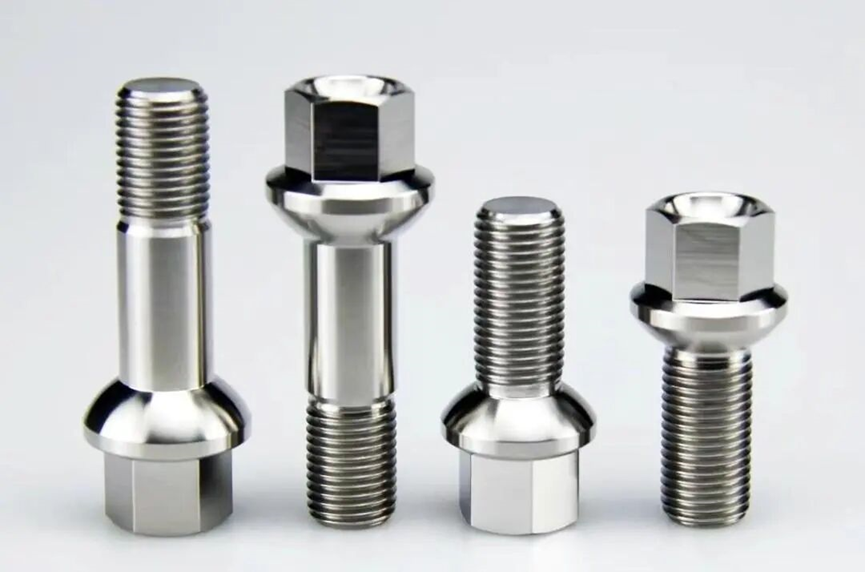
The journey is full of vigor and momentum, and with great responsibility, we set sail once again - China's titanium industry has traversed a remarkable 70-year history.
In recent years, the application fields of titanium alloy screws have gradually expanded. Although their price is always higher compared to other materials, titanium alloy screws have unique advantages in terms of performance and application scope, making them indispensable in high-end applications.
넶2 2026-01-20 -
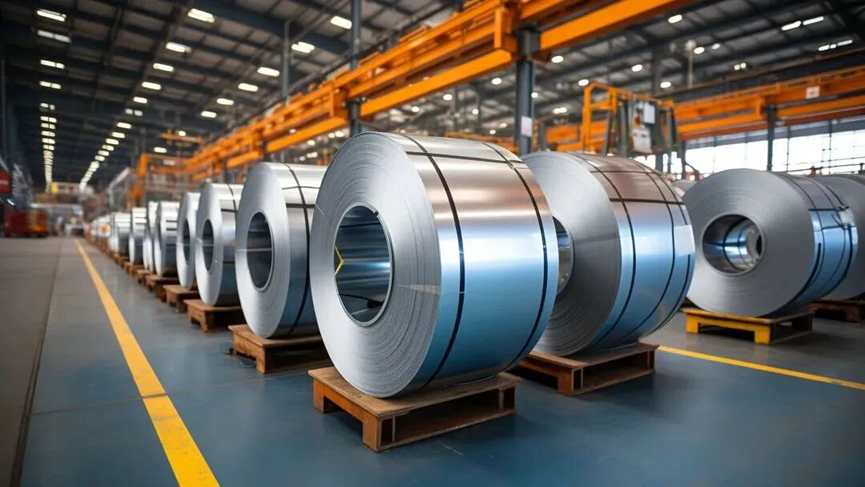
Analysis of Global Titanium Market Trends and Growth Drivers
The global titanium market size is expected to reach 25 billion US dollars by 2025, with a compound annual growth rate of approximately 12%. The Chinese market is particularly outstanding, with the domestic scale expected to exceed 80 billion RMB in 2025, accounting for more than 40% of the global output.
넶3 2026-01-20 -
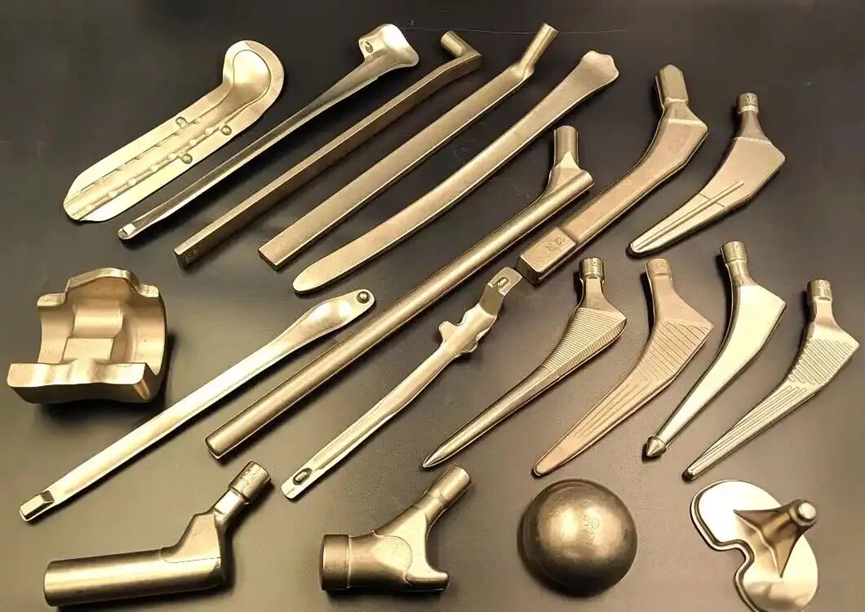
Biomedical Alloys: How Do Titanium Alloys "Harmoniously Coexist" with Human Tissues?
In the field of modern medicine, when the bones, joints and other parts of the human body suffer severe damage or are invaded by diseases, and cannot be repaired by themselves, implanting medical materials becomes an important treatment method.
넶0 2026-01-20
The journey is full of vigor and momentum, and with great responsibility, we set sail once again - China's titanium industry has traversed a remarkable 70-year history.
Advantages of Titanium Alloy Screws
In recent years, the application fields of titanium alloy screws have gradually expanded. Although their price is always higher compared to other materials, titanium alloy screws have unique advantages in terms of performance and application scope, making them indispensable in high-end applications.
High Specific Strength
The density of titanium is moderate, between that of aluminum, steel, copper, and nickel, but its strength is far superior to these metals. Therefore, screws made of titanium alloy are both lightweight and sturdy.
Excellent Corrosion Resistance
Titanium and its alloys perform well in a wide range of media, enabling titanium alloy screws to be used in various corrosive environments.
Heat Resistance and Cold Resistance
Titanium alloy screws can operate stably at temperatures up to 600°C and as low as -250°C, and maintain their original shape without change.
Non-magnetism and Non-toxicity
Titanium is a non-magnetic metal and will not be magnetized even in a strong magnetic field. At the same time, it is non-toxic and has excellent compatibility with the human body.
Anti-damping Performance
Compared to steel and copper metals, titanium has the longest vibration attenuation time after being subjected to mechanical or electrical vibrations. This characteristic makes titanium alloy screws widely used in tuning forks, medical ultrasonic pulverizers, vibration components of advanced audio speakers, and other vibration membranes.
Application fields
Nuclear Industry
In the construction of nuclear reactors, the manufacturing of numerous components, pipes and related parts all rely on the support of a large amount of titanium metal and its alloys. And titanium alloy screws are an important application among these metal materials.
Electronic Equipment Field
In the past, mobile phones and computers and other electronic devices often used steel screws for fastening. However, steel is magnetic. If not properly demagnetized, steel screws may become magnetized under the influence of an electromagnetic field, thereby interfering with network signals. In contrast, titanium alloy screws have the characteristics of being non-magnetic, lightweight and high strength, and therefore are very suitable for use as fasteners in electronic devices. Medical industry
Titanium alloy screws also play an important role in the medical field. As titanium is a biocompatible metal, titanium alloy screws are widely used in the manufacturing of medical equipment. Especially in the fixation treatment of clinical fractures and dislocations, titanium alloy screws, due to their strong and non-deformable characteristics, have become indispensable fasteners.
Aerospace field
The demand for titanium alloy screws in the aerospace field remains strong. Their strength advantage makes titanium alloy screws a key fastener in aircraft manufacturing. Compared with steel screws of similar strength, titanium alloy screws have a significant lightweight effect, which helps to reduce the overall weight of the aircraft. In addition, the excellent elasticity and non-magnetic properties of titanium alloy play a crucial role in preventing screws from loosening and resisting magnetic interference.
With the continuous advancement of titanium industrial technology, the application fields of titanium alloy screws will be further expanded and gradually enter people's daily lives.


