

-

The development and application of titanium alloys in the aerospace industry
Since titanium was industrialized in the 1940s, it has been widely used in aerospace, military industries, marine development, petrochemicals, power generation, superconductivity
넶2 2026-01-20 -
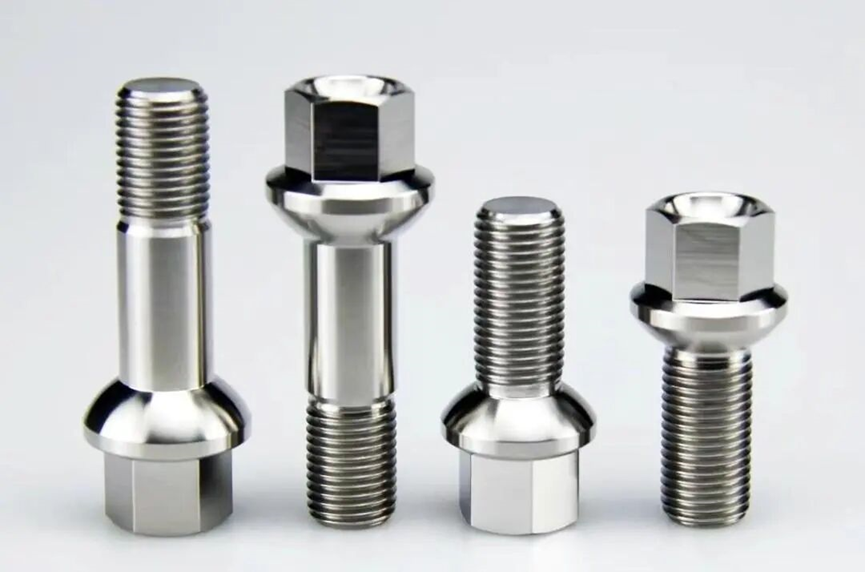
The journey is full of vigor and momentum, and with great responsibility, we set sail once again - China's titanium industry has traversed a remarkable 70-year history.
In recent years, the application fields of titanium alloy screws have gradually expanded. Although their price is always higher compared to other materials, titanium alloy screws have unique advantages in terms of performance and application scope, making them indispensable in high-end applications.
넶2 2026-01-20 -
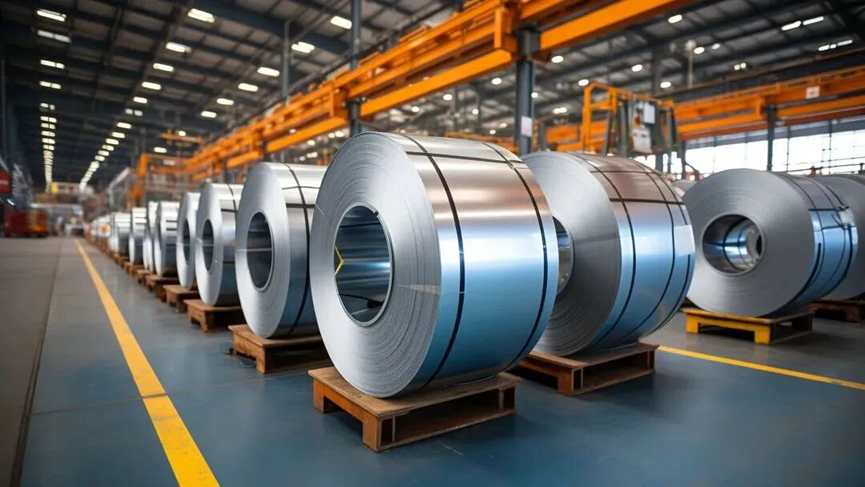
Analysis of Global Titanium Market Trends and Growth Drivers
The global titanium market size is expected to reach 25 billion US dollars by 2025, with a compound annual growth rate of approximately 12%. The Chinese market is particularly outstanding, with the domestic scale expected to exceed 80 billion RMB in 2025, accounting for more than 40% of the global output.
넶3 2026-01-20 -
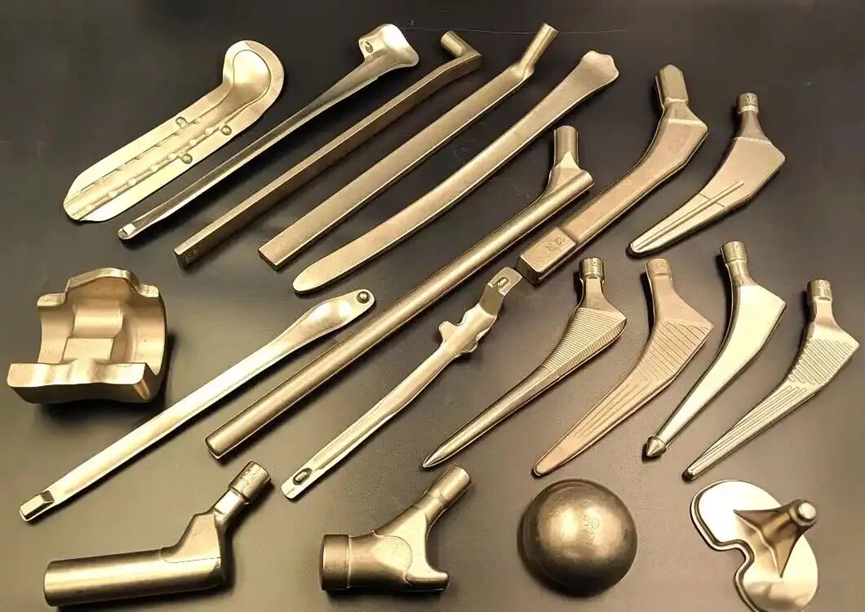
Biomedical Alloys: How Do Titanium Alloys "Harmoniously Coexist" with Human Tissues?
In the field of modern medicine, when the bones, joints and other parts of the human body suffer severe damage or are invaded by diseases, and cannot be repaired by themselves, implanting medical materials becomes an important treatment method.
넶0 2026-01-20
Titanium Metal: The Emerging Force in the Jewelry Industry
In the traditional jewelry market, gold and platinum have long held a dominant position, being the preferred choice for consumers due to their rarity, stability and classic beauty. However, in recent years, titanium metal has gradually emerged in the international jewelry design field, gaining widespread recognition among artists and consumers in the Chinese market. This transformation is not accidental; it is the result of the deep alignment of titanium metal's unique physical and chemical properties with the demands of modern jewelry design. 01
Lightweight feel: Re-defining the wearing experience
The density of titanium is only 4.51g/cm³, much lower than that of gold (19.32g/cm³) and platinum (21.45g/cm³). This characteristic gives titanium a significant advantage in jewelry production: for the same volume, titanium jewelry weighs only about 1/4 of that of traditional precious metals.
For modern jewelry that pursues complex design and comfortable wearing, the lightweight property of titanium effectively solves two long-standing problems that have plagued the industry - the balance between decoration and practicality. Designers can ensure structural strength while reducing the burden on the wearer, shifting the wearing experience of high-end jewelry from "heavy" to "unnoticeable", especially suitable for large-sized or long-duration worn styles. 02
Diverse Surfaces: Breaking the Boundaries of Metal Colors
The colors of traditional metal materials are usually limited to a single hue. However, titanium metal can form an oxide film of rutile (TiO₂) with a thickness of only a few micrometers to ten micrometers through electrolysis and chemical treatment techniques. This oxide film, through the reflection, refraction, and interference effects of light, presents a wide range of colors from bright yellow, blue-violet to green-gray, and even allows for gradual transitions.
Unlike dyeing or coating processes, the color of titanium metal stems from the physical properties of its surface oxide layer, thus having extremely high stability. It can maintain its color unchanged at room temperature for a long time. This characteristic provides designers with an unprecedented creative space. For instance, the Swiss jewelry brand Chopard萧邦 in its high-end jewelry collection combines different colored titanium metals with colored gemstones to create works with dramatic visual tension, breaking the color limitations of traditional metal materials. 03
Biocompatibility: A Promise of Health and Safety
Titanium is hailed as a "biocompatible metal", and its core advantage lies in its complete safety for the human body. Medical practice has shown that titanium organs can be implanted in the human body for a long time without triggering rejection reactions. This characteristic also extends to the jewelry industry. When titanium jewelry comes into long-term contact with the skin, it will not cause allergies or irritation, and it has no adverse effects on the nervous and sensory systems. For people with sensitive skin, titanium metal provides a safe and reliable option for wearing jewelry.
In addition, its stability ensures that jewelry is less likely to corrode or change color due to environmental changes (such as humidity and temperature) during daily use, further extending the lifespan of the work. 04
Industry Application: From Innovation to Mainstream
With these characteristics, titanium metal is gradually being incorporated into the design systems of high-end jewelry brands both domestically and internationally. Its application scope has expanded from experimental works to commercial series, covering various fields from daily accessories to haute couture. Designers have explored more traditional-breaking design languages through the lightweight, colorful and safe features of titanium metal. For example, they combine titanium with materials such as diamonds and pearls to create works that combine modernity and classic charm.
At the same time, the processing technology of titanium metal is also constantly improving. The introduction of techniques such as laser cutting and 3D printing has further enhanced its design freedom and production efficiency.
The rise of titanium metal is not a replacement for traditional precious metals, but rather offers new possibilities for jewelry design. Its lightness, color variety and biocompatibility precisely align with modern consumers' pursuit of individuality, comfort and health and safety.
As the technology becomes more mature and is expected to shift from an "emerging material" to a standard component in the jewelry industry, it continues to push the boundaries of design and craftsmanship.


